
Introduction
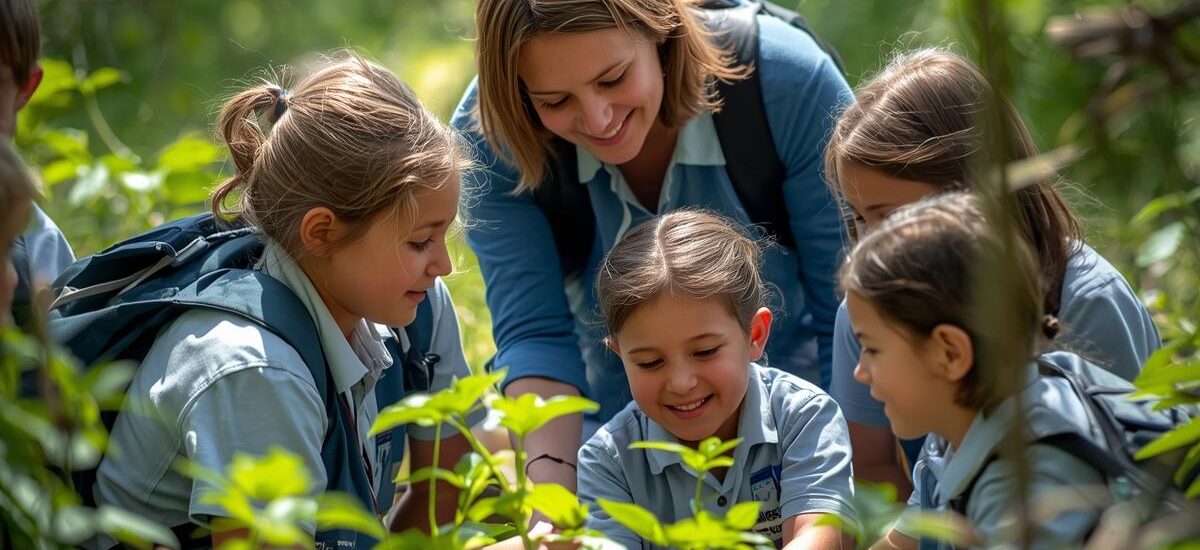
Classroom education is important, but real learning does not happen only inside four walls. Students learn best when they experience things themselves. Outdoor activities give students the opportunity to learn by doing, not just by reading books.
Outdoor learning helps students grow mentally, physically, socially, and emotionally. It connects education with real life and makes learning meaningful, enjoyable, and long-lasting.
What Are Outdoor Learning Activities?
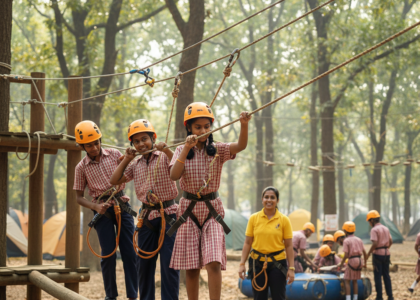
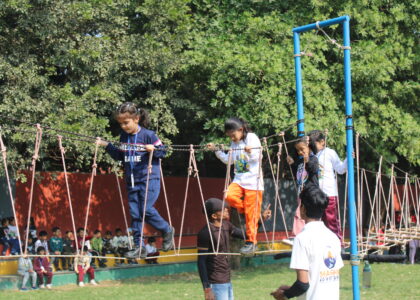
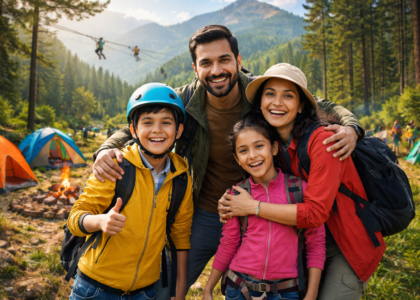
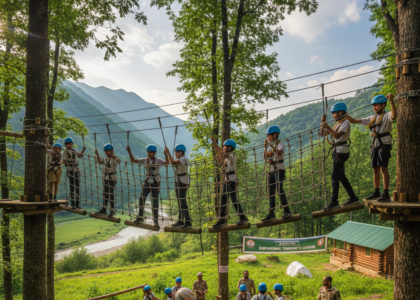
Outdoor activities are educational experiences conducted outside the classroom environment. These activities focus on learning through experience, teamwork, and observation.
Examples include:
-
Adventure activities
-
Nature walks
-
Team-building games
-
Educational tours
-
Outdoor problem-solving tasks
-
Science and environment activities
The aim is to help students understand concepts practically.
How Outdoor Activities Help Students Learn Better
1. Learning Becomes Practical and Real
Outdoor activities help students apply what they learn in books to real-life situations.
For example:
-
Science becomes real when students observe nature
-
Teamwork becomes clear during group challenges
This makes learning easy to understand and remember.
2. Builds Confidence and Independence
When students complete outdoor tasks, they gain confidence.
They learn to:
-
Take responsibility
-
Make decisions
-
Trust their abilities
Confidence gained outdoors reflects positively in classrooms as well.
3. Improves Focus and Concentration
Spending time outdoors refreshes the mind.
Students who participate in outdoor activities show:
-
Better attention in class
-
Improved memory
-
Higher interest in studies
Fresh air and movement help reduce mental fatigue.
4. Develops Teamwork and Communication Skills
Outdoor activities often require students to work in groups.
This teaches them:
-
Clear communication
-
Listening skills
-
Cooperation
-
Respect for others
These skills are essential for academic success and future careers.
5. Encourages Problem-Solving and Critical Thinking
Outdoor challenges do not have ready-made answers.
Students must:
-
Think creatively
-
Analyze situations
-
Solve problems together
This strengthens critical thinking and leadership qualities.
6. Supports Physical and Mental Health
Outdoor activities involve movement and exercise, which helps students:
-
Stay active and fit
-
Reduce stress and anxiety
-
Improve emotional balance
A healthy body supports a healthy mind.
7. Reduces Screen Time and Stress
Today, students spend too much time on screens.
Outdoor learning:
-
Breaks screen dependency
-
Encourages natural interaction
-
Improves social bonding
Students feel relaxed and happy after outdoor sessions.
8. Builds Emotional Strength and Discipline
Outdoor learning teaches students:
-
Patience
-
Self-control
-
Handling failure
-
Respect for rules
These qualities are essential for personal growth and success in life.
Outdoor Learning vs Classroom Learning
| Classroom Learning | Outdoor Learning |
|---|---|
| Theory-based | Experience-based |
| Limited movement | Active participation |
| Individual focus | Team learning |
| Exam-oriented | Skill-oriented |
Both methods are important, but outdoor learning completes education.
Best Outdoor Activities for School Students
-
Adventure learning programs
-
Rope courses
-
Nature exploration
-
Team-building games
-
Educational tours
-
Digital Dome Planetarium shows
All activities should be age-appropriate and supervised.
Why Schools Should Promote Outdoor Learning
Schools that include outdoor activities:
-
Improve student engagement
-
Build confident learners
-
Support holistic development
-
Create positive learning environments
Outdoor education prepares students for real-world challenges, not just exams.
Conclusion
Outdoor activities play a vital role in helping students learn beyond classrooms.
They make education practical, enjoyable, and meaningful.
By combining classroom teaching with outdoor learning, schools can nurture curious, confident, and capable students ready for the future.
True learning begins when students step outside and experience the world around them.
FAQs
Q1. Are outdoor activities safe for students?
Yes, when conducted with proper safety measures and trained instructors.
Q2. How often should schools organize outdoor activities?
At least once or twice a year for balanced development.
Q3. Do outdoor activities help in academics?
Yes, they improve focus, confidence, and understanding of concepts.
Q4. What age group benefits most from outdoor learning?
Students of all age groups benefit when activities are age-appropriate.